

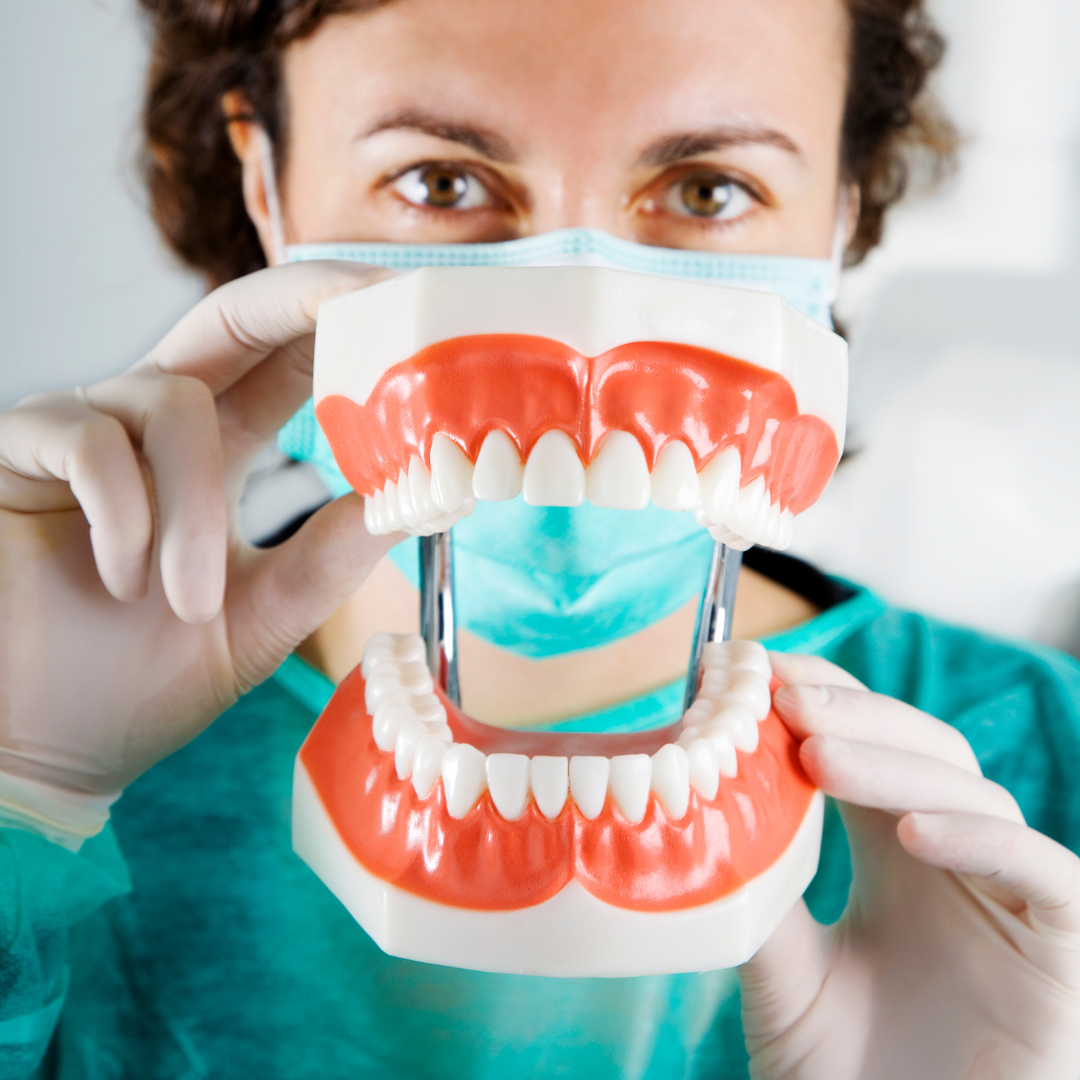

Many misconceptions, stereotypes, and common errors about dental care are passed down from generation to generation. Many people believe them blindly, which often leads to delays in seeking professional help, inadequate treatment, and consequently, the development of serious oral diseases. In this article, we have gathered nine popular myths about teeth that should have been debunked long ago to preserve the health of your smile.
1. You need to brush harder
It’s a common misconception that aggressive mechanical action is necessary for perfect enamel integrity. In reality, excessive pressure and a brush that’s too hard don’t remove as much plaque as they do wear down the protective enamel layer and damage the gums. This leads to increased tooth sensitivity and gum recession (root exposure). Dental specialists recommend using soft or medium-bristled toothbrushes and adopting a proper brushing technique.
2. If you don’t have a toothache, you don’t need to go to the dentist
Pain is a late signal from the body indicating that the pathological process has progressed and reached the pulp. Early cavities, initial gum changes, or micro-cracks in the enamel can develop painlessly for a long time. Regular checkups every six months allow for early detection of problems and enable painless, minimally invasive treatment.
3. Baby teeth can be left untreated because they will fall out anyway
This is one of the most dangerous myths in pediatric dentistry. Cavities in baby teeth develop very quickly and can spread to deeper tissues. An infection at the root of a baby tooth can damage, or even destroy, the developing permanent tooth located directly beneath it. Moreover, premature loss of baby teeth can lead to malocclusion and deformities in adulthood.
4. Retainers are only needed a few months after the removal of braces or aligners
Many patients believe that treatment is finished after the removal of orthodontic appliances. This is a dangerous misconception. The bone, ligaments, and gum tissue around the displaced teeth need time to adjust and settle into their new position. If you don’t wear dental retainers, the teeth will inevitably return to their original incorrect position. In many cases, the retention period lasts twice as long as the treatment itself, or even a lifetime.
5. Sugar is the sole cause of cavities
While sugar promotes the growth of bacteria that secrete destructive acids, it is not the only culprit. All carbohydrates (including bread, dried fruit, chips, and cereals) leave traces of dental plaque that are fermented by microorganisms. The quality of oral hygiene, the composition and quantity of saliva, genetic factors, and the frequency of meals are also important factors.
6. Teeth whitening destroys and thins enamel
Modern professional teeth whitening, performed under the supervision of a dentist, is a safe solution. Whitening gels act on the organic pigments in the dentin and do not dissolve the enamel. However, certain home remedies (based on baking soda, lemon juice, or activated charcoal) and uncertified products of questionable origin act as abrasives and can damage the surface of the teeth.
7. Bleeding gums are normal
Healthy gums do not bleed, neither when brushing nor when flossing. Bleeding is a clear symptom of inflammation (gingivitis or periodontitis). This inflammation is most often caused by the accumulation of plaque and tartar, which create an environment conducive to bacterial growth. Neglecting to clean these areas only worsens the problem.
8. It’s not necessary to use dental floss
A regular toothbrush, regardless of its shape, only cleans three out of five tooth surfaces. The interdental spaces remain inaccessible to the bristles, and this is where hidden cavities most often develop and where gingivitis begins. Daily use of dental floss or interdental brushes is essential for complete oral hygiene.
9. Professional dental cleaning is only for cosmetic reasons
Professional dental hygiene is primarily a therapeutic and preventative treatment, not simply a cosmetic procedure. Over time, soft dental plaque hardens due to the minerals present in saliva and transforms into tartar, which is impossible to remove at home. Tartar puts pressure on the gums, causing them to recede and potentially leading to the loss of healthy teeth.