

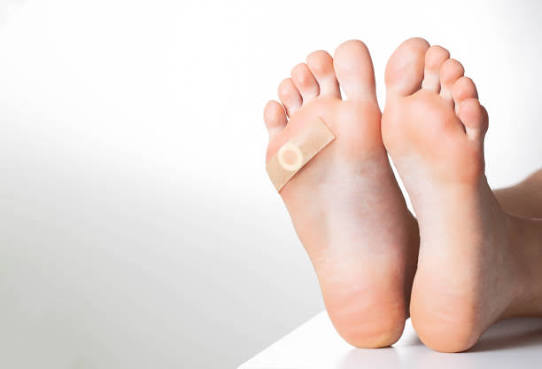

Plantar warts are small, rough growths that develop on the soles of the feet. They can be uncomfortable, particularly when they appear on weight-bearing areas such as the heel or ball of the foot. For some people, the most frustrating part is not getting a plantar wart once but dealing with the same problem repeatedly.
If you keep facing this problem even after plantar wart treatment, it does not necessarily mean that you are doing something wrong. The underlying cause is a viral infection, and several factors can make the virus easier to acquire or make existing warts harder to eliminate.
What Causes Plantar Warts?
Plantar warts are caused by certain types of human papillomavirus (HPV). The virus can enter the skin through tiny cuts, cracks, or other areas where the protective skin barrier has been disrupted.
Unlike HPV types associated with genital infections, the types that commonly cause plantar warts affect the skin of the feet and are generally not associated with cancer.
Once the virus enters the skin, a wart may develop. It can sometimes take weeks or months before the growth becomes noticeable.
Why Do They Keep Coming Back?
There are several possible explanations for recurrent plantar warts.
The Original Wart May Not Be Completely Gone
One of the most common reasons a wart appears to “come back” is that treatment did not eliminate all of the infected tissue.
The visible surface may become smaller or disappear temporarily, while HPV remains in the surrounding skin. The wart can then gradually return.
This is one reason plantar warts sometimes require several treatment sessions rather than a single application.
You May Be Picking Up the Virus Again
Plantar warts are contagious. The virus can spread through direct contact or contaminated surfaces.
Walking barefoot in communal areas such as swimming pools, locker rooms, communal showers, and changing areas can increase exposure.
The virus may also spread from one part of your own foot to another, particularly if you pick, cut, or scratch a wart.
Keeping the affected area covered and avoiding manipulation can help reduce the risk of spreading it.
Moist Environments Can Make Exposure Easier
HPV can spread more readily when people frequently walk barefoot in warm, damp communal environments.
This does not mean you need to avoid swimming pools or gyms altogether. Wearing flip-flops or shower shoes in communal wet areas can reduce direct contact between your feet and potentially contaminated surfaces.
Drying your feet thoroughly after bathing is also sensible, particularly if your feet tend to remain sweaty.
Sweaty Feet May Contribute
Excessive sweating can leave the skin of the feet moist and more susceptible to small breaks in the skin.
If you regularly have sweaty feet, changing socks frequently, choosing breathable footwear, and using appropriate antiperspirant products for the feet may help keep the skin drier.
However, sweating alone does not cause plantar warts. The virus still has to be present for an infection to occur.
Your Immune Response Matters
The immune system plays an important role in clearing HPV infections.
Some people develop plantar warts repeatedly because their immune system does not eliminate the virus as efficiently as others. Children and teenagers, for example, commonly develop warts because their immune systems are still encountering many of these viruses.
People with certain conditions that affect immune function may also experience persistent or recurrent warts.
If you have numerous warts, unusually persistent lesions, or frequent infections in general, discuss this pattern with a healthcare professional.
Are You Sure It Is a Wart?
Not every rough spot on the sole is a plantar wart. Calluses and corns can look similar, particularly when they develop in areas exposed to pressure. A plantar wart may interrupt the normal lines of the skin and can sometimes contain tiny dark dots representing thrombosed blood vessels.
A healthcare professional can usually distinguish a wart from other common foot lesions during an examination.
This matters because treating the wrong condition with wart-removal products may irritate healthy skin without solving the underlying problem.
When Should You See a Foot Specialist?
Consider professional evaluation if a suspected plantar wart is painful, keeps returning despite treatment, spreads to multiple areas, or makes walking difficult.
You should also seek advice if you are uncertain whether the growth is actually a wart.
A foot doctor can confirm the diagnosis and recommend an appropriate treatment strategy rather than repeatedly trying over-the-counter products without knowing what is being treated.
The bottom line
Repeated plantar warts are usually related to persistent HPV infection, reinfection, or a combination of both. If plantar warts continue to recur, spread, or cause pain, professional evaluation can help confirm the diagnosis and identify a more effective treatment approach.