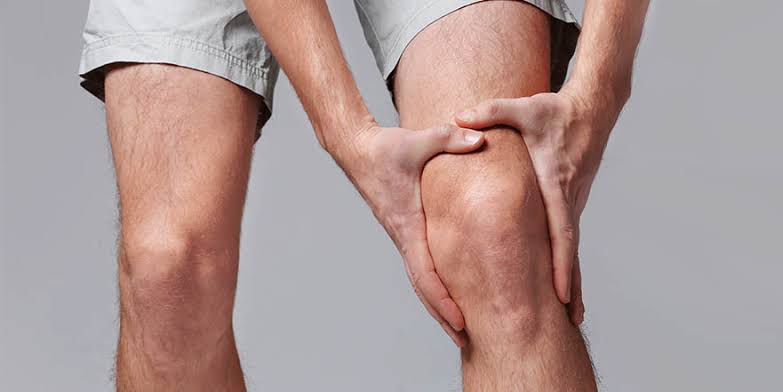
You’re halfway through a walk when your knee gives a little twinge. Nothing dramatic, just enough to make you think, “Hmm. Was that new?” Knee pain is common, but common doesn’t always mean harmless, and one ache can have several explanations. Sometimes your knee needs a little kindness. Other times, it is asking—rather loudly—for professional attention.
A Little Soreness Can Be Normal
After a new workout, long hike, or day spent chasing children, mild knee soreness can happen. If discomfort improves with sensible activity changes and doesn’t interfere much with walking, it may settle on its own.
Try easing off the activity that triggered it, keep the joint gently moving, and give your body time. Your knee does not need to be wrapped in bubble wrap.
Swelling Changes the Conversation
A puffy knee deserves more attention, especially if swelling appears quickly after an injury. Sprains, ligament injuries, cartilage problems, or joint irritation can cause it.
Mild swelling after overuse may improve with rest, ice, and activity modification, but significant or persistent swelling is a reason to get evaluated. A swollen knee is your body waving a small flag. It’s worth seeing what the flag says.
That Clicking Sound: Panic or Not?
Knees can click, pop, and crack without anything being seriously wrong. If there is no pain, swelling, locking, or loss of movement, occasional noises may simply be part of how your joints move.
But clicking accompanied by pain, catching, or a sensation that the knee is giving way is different. Those symptoms can point toward a structural problem and deserve a closer look.
When a Meniscus May Be the Problem
The meniscus is cartilage that cushions the knee. A sudden twist can tear it, while age-related changes can make it more vulnerable. Pain, swelling, catching, or difficulty fully straightening the knee can occur.
Meniscus tear treatment should be based on your symptoms, activity level, and overall knee health—not simply the fact that an MRI shows a tear.
When Imaging Makes Sense
An MRI can provide detailed images of soft tissues such as the meniscus, ligaments, tendons, and cartilage. But you don’t automatically need one every time your knee complains after gardening.
A clinician may recommend imaging when symptoms persist, the injury is significant, or the examination suggests a structural problem. If you are thinking about a knee MRI, it is better to start with an appropriate medical evaluation so you know whether imaging is useful. Sometimes the examination tells more than an internet search result.
Know the Red Flags
Certain symptoms should not be handled with a “let’s see what happens” approach. Seek prompt medical attention if you cannot bear weight, the knee looks deformed, severe swelling develops suddenly, or you experience intense pain after a significant injury.
Fever, redness, warmth, or feeling generally unwell alongside knee pain can also require urgent evaluation. New numbness or weakness deserves attention too. These are not candidates for procrastination.
What You Can Do at Home
For mild symptoms, temporarily reducing aggravating activities, using ice for short periods, and gradually returning to comfortable movement may help. Avoid pushing through pain that is clearly getting worse.
If you keep wondering whether meniscus tear treatment is necessary, or you have been repeatedly searching ‘knee mri near me’ because symptoms refuse to settle, that is a good sign to stop guessing. A healthcare professional can decide whether rehabilitation, medication, imaging, or another approach makes sense.
The Bottom Line
Knee pain is not automatically a disaster, but neither is it something you should endlessly ignore. Mild soreness after unusual activity may improve with simple self-care. Persistent pain, swelling, instability, locking, or significant injury deserves evaluation.
And if you do end up needing meniscus tear treatment, remember that treatment is not automatically synonymous with surgery. Likewise, searching for a knee MRI is not the same as knowing you need an MRI. Start with the problem, understand the cause, and then choose the next step. Your knee may be complicated, but it doesn’t have to remain a mystery.