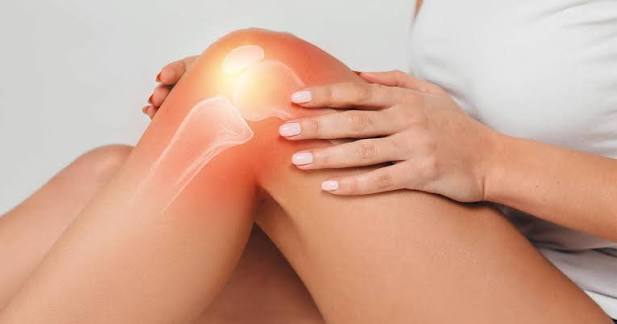
You wake up, swing your legs out of bed, and your knee makes itself known before you have even found your slippers. Strange, right? You have not fallen, twisted anything, or started training for a marathon, yet climbing stairs suddenly feels like a negotiation.
Knee discomfort without an obvious injury is surprisingly common. The cause may be gradual wear, inflammation, muscle imbalance, or even a problem somewhere nearby. In other words, your knee is not always the guilty party.
Arthritis Can Sneak Up Slowly
Osteoarthritis does not need a dramatic accident to appear. The cartilage and other tissues in the joint can gradually change over time, leading to stiffness, aching, or swelling. You might notice symptoms after walking, standing for a long time, or getting up after sitting.
The annoying part? Early changes can be subtle. What begins as occasional knee pain may slowly become something you notice every day.
Your Muscles Could Be Part of the Story
The knee does not work alone. Your hips, thighs, and core all help control how it moves. If those muscles are weak or not coordinating well, the knee may take more stress than it would like.
A physical therapist can assess your movement and recommend strengthening exercises. Sometimes the solution is surprisingly simple: better support from the muscles around the joint.
Bursitis Can Cause a Sore, Puffy Knee
Tiny fluid-filled sacs called bursae help reduce friction around joints. When one becomes irritated, you may develop tenderness, swelling, or discomfort, particularly when kneeling or bending.
There does not have to be one dramatic trigger. Repeated kneeling, increased activity, or prolonged pressure can be enough to irritate the area. Your knee may basically be saying, “Could we not do that all day?”
Tendons May Be Irritated
Tendons connect muscles to bones, and they can become irritated from repetitive activity or changes in your exercise routine. Running more, climbing extra stairs, or suddenly deciding to become extremely enthusiastic about squats can all increase the workload.
Pain around the front of the knee, especially during stairs or activity, can sometimes involve the patellar tendon or surrounding structures. Rest from aggravating activities and gradual strengthening may help.
Inflammation Can Arrive Uninvited
Certain inflammatory conditions can cause knee symptoms even when there has been no injury. Gout, for example, can produce sudden, intense pain, swelling, warmth, and redness. Other inflammatory conditions may cause recurring stiffness or swelling.
If your knee suddenly becomes hot, very swollen, and extremely painful, do not simply wait it out. Medical assessment can help identify the cause and guide treatment.
Sometimes Treatment Includes an Injection
When inflammation or arthritis causes significant symptoms, a clinician may discuss injections alongside other treatments. A Cortisone Injection can sometimes reduce inflammation and provide temporary pain relief, although it is not a universal fix and is not appropriate for every situation.
Treatment might also include physical therapy, activity changes, weight management when appropriate, topical or oral medications, or other procedures. The right plan depends on what is actually causing the symptoms. In some cases, a Cortisone Injection may be considered after other options have been discussed.
When Should You Get It Checked?
Mild discomfort that improves with sensible activity changes may not be an emergency. But persistent knee pain, repeated swelling, instability, or difficulty walking deserves attention.
Seek prompt medical care if the joint becomes suddenly hot and swollen, you develop a fever, or you cannot put weight on the leg. Those clues can point to problems that need quicker treatment.
A clinician may examine your knee, ask about your daily activities, and decide whether imaging or blood tests are useful. If symptoms continue, another Cortisone Injection may not be the answer; finding the underlying cause matters more.
Conclusion
A knee does not need a dramatic injury to start complaining. Gradual arthritis, irritated tendons or bursae, muscle weakness, and inflammatory conditions can all make the joint unhappy.
Pay attention to when symptoms appear and what seems to trigger them. With the right diagnosis and treatment plan, knee pain can often become much easier to manage. And if your knee keeps grumbling for no obvious reason, consider that its mysterious behavior may actually be a useful clue.