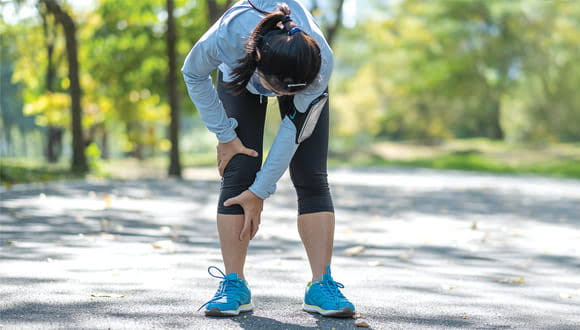
Overuse injuries can happen when you repeat the same movement again and again without giving your body enough time to recover. They are common among athletes, but you do not have to be a professional or highly active to develop one. Running, cycling, swimming, tennis, weightlifting, and even physically demanding work can put repeated stress on the same muscles, tendons, and bones.
Unlike an injury caused by a sudden fall or collision, an overuse injury usually develops slowly. Small amounts of stress can build up over time, eventually causing inflammation, pain, or damage to the affected tissue. If you recognize the early warning signs and make changes to your routine, you may be able to prevent a minor problem from becoming a more serious injury.
1. Know What Causes Overuse Injuries
Your body needs time to recover after physical activity. When you exercise, your muscles, tendons, and bones are placed under stress. With enough recovery, these tissues can repair and become stronger. Problems can develop when you increase the amount or intensity of exercise too quickly, repeat the same movement too often, or continue training when your body has not recovered.
Common examples of overuse injuries include:
– Tendinitis or tendon irritation
– Stress fractures
– Runner’s knee
– Shin splints
– Rotator cuff problems
– Achilles tendon injuries
Your age, fitness level, previous injuries, training schedule, and the type of activity you do can all affect your risk.
2. Watch for Tendon Problems
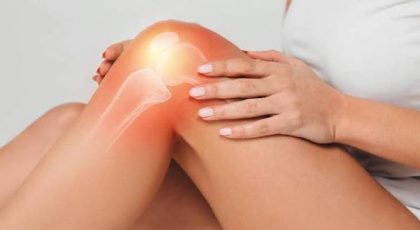
Tendons connect your muscles to your bones and can become painful when they are repeatedly stressed. Tendinitis can affect different parts of the body, including the elbow, shoulder, knee, and Achilles tendon. For example, Achilles tendon pain is common in activities that involve frequent running or jumping. Tennis players, runners, carpenters, gardeners, and other people who repeatedly use certain muscles may also develop tendon problems.
Pain is often worse when you begin an activity or after you finish exercising. You may also notice tenderness, stiffness, swelling, or discomfort when moving the affected area. Treatment depends on the tendon involved and how severe the problem is. Your doctor may recommend reducing the activity that is causing the pain, physical therapy, and pain-relieving medication. In some cases, injections or other treatments may be considered. Rest alone is not always enough, especially if the underlying movement or training problem is not addressed.
3. Pay Attention to Stress Fracture Symptoms
Stress fractures are small cracks in a bone caused by repeated loading. They commonly affect the feet and lower legs, although they can occur in other bones as well. Runners, dancers, basketball players, and gymnasts may be at greater risk because their activities involve repeated impact.
The pain from a stress fracture may start as mild discomfort during or after exercise. As the injury progresses, the pain can become more noticeable and may eventually occur during normal daily activities. Early stress fractures can sometimes be difficult to detect on an initial X-ray. Depending on your symptoms and examination, your doctor may recommend additional imaging.
If you suspect a stress fracture, continuing to run or participate in high-impact exercise can make the injury worse. Treatment usually involves stopping or reducing activities that place stress on the bone and gradually returning to activity after healing.
4. Understand Which Areas Are Most at Risk
The location of an overuse injury often depends on the activity you perform. Runners and athletes who jump frequently may experience problems involving the knees, feet, shins, or Achilles tendon. Cyclists commonly develop pain around the knees, particularly when their training load, bike setup, or technique places too much stress on the joint.
Overhead activities can affect the shoulder. Tennis players, swimmers, baseball players, and golfers repeatedly use the shoulder and arm in ways that can irritate the rotator cuff tendons. Knowing which areas are doing most of the work during your favorite activity can help you notice problems earlier. Pain that keeps returning should not simply be ignored.
5. Change Your Routine and Use the Right Equipment
You do not have to stop exercising to prevent overuse injuries. In many cases, the better approach is to change how you train. Avoid suddenly adding more distance, weight, speed, or training days to your routine. Increase your workload gradually and give yourself enough recovery time between demanding workouts.
It can also help to include different types of exercise. If you run every day, for example, adding strength training, flexibility work, or a lower-impact activity can reduce the amount of stress placed on the same tissues.
Your shoes and equipment matter too. Worn-out shoes or equipment that does not suit your activity can affect how your body absorbs and distributes force. Running shoes are designed for forward movement and impact, for example, but they may not provide the support you need for activities involving frequent side-to-side movement. If you are unsure whether your equipment is appropriate, ask a qualified professional for advice.
6. Listen to Your Body Before a Small Problem Gets Worse
One of the simplest ways to lower your risk of an overuse injury is to pay attention to pain and changes in how your body feels. Normal muscle soreness after a workout is not the same as persistent or worsening pain. If a particular area hurts every time you exercise, becomes swollen, or feels weaker than usual, take a break and consider having it evaluated.
Do not rely on the idea that you have to push through pain to make progress. Continuing an activity that is causing an injury can increase the damage and make recovery take longer. When you return to exercise after an injury, do it gradually. Start at a lower intensity and increase your activity as your body tolerates it.
If pain does not improve with rest, keeps coming back, or begins affecting your normal activities, talk with a doctor. Getting the problem checked early by an experienced foot doctor can help you determine what is causing the pain and what changes may be needed to get you safely back to the activities you enjoy.