Finishing orthodontic treatment is an exciting milestone, but it is not the end of the process. Once your braces come off or you finish Invisalign treatment, your teeth still need support while the surrounding bone and gums stabilize. This is where a dental retainer becomes essential.
A dental retainer is a custom-made appliance designed to keep your teeth in their new positions after orthodontic treatment. Without one, your teeth can gradually begin shifting back toward their original alignment. This natural movement, called orthodontic relapse, can undo months or even years of treatment.
Whether you’ve worn braces or clear aligners, your orthodontist will recommend a retainer based on your individual needs. Understanding how retainers work, the different types available, and how long you may need to wear one can help you protect your new smile for years to come.
1. What Does a Dental Retainer Actually Do?
A dental retainer helps maintain the results achieved during orthodontic treatment. Even after your braces are removed, the bone around your teeth needs time to fully adapt to their new positions. Immediately after treatment, your teeth are more likely to move because the supporting tissues are still healing. Wearing your retainer as instructed helps prevent unwanted movement while those tissues stabilize. Retainers do more than simply keep your smile looking straight. Proper tooth alignment also supports your overall oral health.
Keeping your teeth in the correct position can help:
– Maintain a balanced bite
– Reduce unnecessary wear on tooth enamel
– Make brushing and flossing easier
– Lower the risk of plaque buildup between crowded teeth
– Support comfortable chewing and speaking
– For many patients, wearing a retainer is just as important as the orthodontic treatment itself.
2. What Types of Dental Retainers Are Available?
There are several types of retainers, and each has its own advantages. Your orthodontist will recommend the one that best fits your treatment plan and lifestyle.
Essix Retainers
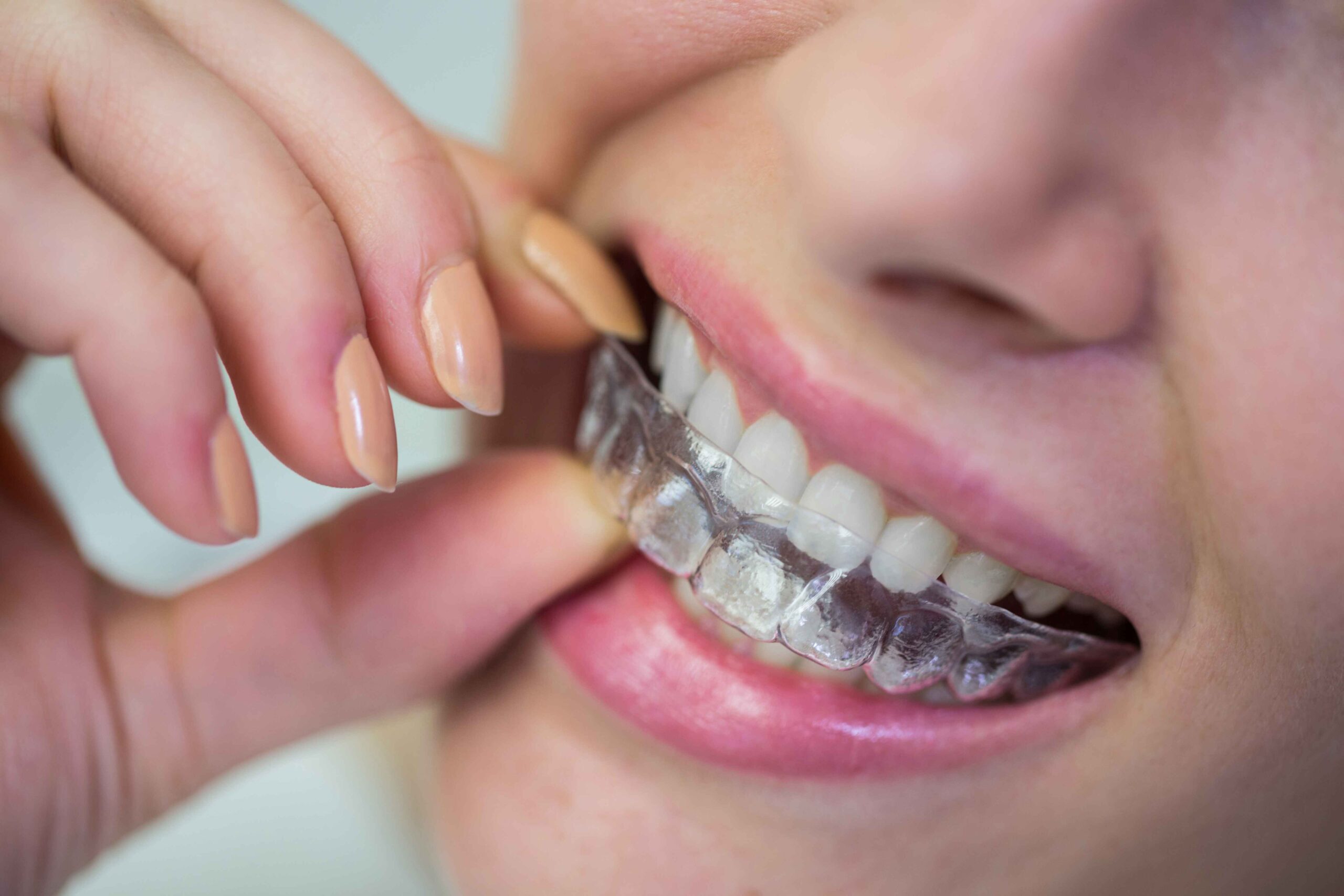
Essix retainers are made from clear plastic and closely resemble Invisalign aligners. They fit snugly over the teeth and are nearly invisible when worn. Many patients prefer Essix retainers because they are discreet and comfortable.
Benefits include:
– Nearly invisible appearance
– Comfortable fit
– Full coverage of the teeth
– May help reduce wear from mild teeth grinding
One drawback is that clear plastic retainers can crack or wear out over time. They may also be easier to lose because of their transparent appearance.
Hawley Retainers
Hawley retainers have been used successfully for decades. They consist of an acrylic base combined with a thin metal wire that holds the teeth in position. Many orthodontists continue to recommend Hawley retainers because they are durable and can often be adjusted if minor tooth movement occurs.
Advantages include:
– Long-lasting design
– Easy to repair in many cases
– Adjustable by your orthodontist
– Allows natural contact between upper and lower teeth
Some patients find them slightly less comfortable because of the acrylic portion that rests against the roof of the mouth. The front wire is also more noticeable than clear retainers.
Permanent Bonded Retainers
A permanent retainer uses a thin metal wire bonded behind the front teeth, most commonly on the lower arch. Because the wire sits behind the teeth, it cannot be seen when you smile.
Permanent retainers offer several benefits:
– They work continuously without needing to remember to wear them.
– They help prevent shifting of the lower front teeth, which commonly move after orthodontic treatment.
– They remain completely hidden during normal conversation.
However, permanent retainers only protect the teeth they are attached to. They usually need to be combined with a removable retainer for complete protection. Cleaning around the bonded wire also requires extra attention. Floss threaders or specialized floss can help keep the area clean.
3. How Long Will You Need to Wear a Retainer?
One of the most common questions patients ask is whether retainers must be worn forever. The answer depends on your teeth, your age, and your orthodontic treatment. However, some level of long-term retainer wear is recommended for most patients. During the first several months after braces or Invisalign, your orthodontist will usually recommend wearing your retainer full time except while eating, drinking anything besides water, or brushing your teeth.
After this initial period, many patients transition to wearing the retainer only while sleeping. Over time, some people may be able to reduce wear to several nights each week. Others may need nightly wear for many years to maintain ideal alignment. Teeth naturally shift throughout life, even in people who never had braces. Because of this, many orthodontists now recommend wearing retainers at night indefinitely if you want to keep your teeth as straight as possible. Your orthodontist will provide a schedule based on your individual case.
4. What Happens If You Stop Wearing Your Retainer?
Skipping your retainer occasionally is usually not a major problem. However, going weeks or months without wearing it can allow noticeable tooth movement.
You may notice:
– Tightness when putting the retainer back in
– Small gaps developing
– Crowding of the lower front teeth
– Changes in your bite
– Teeth no longer looking as straight as before
If movement continues for a long time, your original retainer may no longer fit. Trying to force a tight retainer onto your teeth can damage both the appliance and your teeth. If your retainer feels painful or refuses to fit properly, contact your orthodontist instead of attempting to wear it anyway.
5. How Should You Care for Your Retainer?
Proper care helps your retainer last longer and keeps harmful bacteria from building up.
Some simple maintenance tips include:
– Clean your retainer every day using a soft toothbrush.
– Rinse it with cool or lukewarm water.
– Avoid using very hot water, which can warp plastic retainers.
– Store removable retainers in their protective case when not in use.
– Keep them away from pets, since dogs frequently chew retainers.
– Avoid wrapping retainers in napkins during meals, as they are easily thrown away by mistake.
If your retainer develops heavy buildup or an odor that brushing cannot remove, your orthodontist may recommend professional cleaning or a retainer cleaning solution.
6. What If Your Retainer Breaks or No Longer Fits?
Retainers are durable, but they are not indestructible. Plastic retainers may crack over time, while Hawley retainers can occasionally bend. Bonded retainers may also become loose or partially detach. If you notice any damage, schedule an appointment as soon as possible. Waiting too long increases the chance that your teeth will begin shifting.
Never attempt to repair a retainer yourself using glue or other household products. These materials are not safe for use inside your mouth and can permanently damage the appliance. If your retainer has become too tight or no longer fits, your orthodontist will determine whether it can still be used or whether a replacement is needed.